
Eight Researchers Named Fellows of the American Association for the Advancement of Science
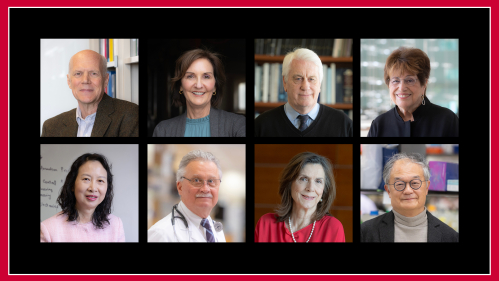
Rutgers faculty are among nearly 500 scientists, engineers and innovators recognized for their achievements
Rutgers faculty elected to the newest class of fellows by the American Association for the Advancement of Science (AAAS) have made significant strides in the treatment, diagnosis, and understanding of some of the most pressing health challenges of our time.
They have worked to reverse the nerve damage caused by multiple sclerosis, paved the way for new therapies and tests to diagnose asthma, applied statistics to solve some of humankind’s most intractable health problems, established new scientific fields and built a deeper understanding of the signals that help our bodies function.
In addition to their research, the fellows were recognized for their leadership roles, academic administration and service to the public. For many researchers, their accomplishments go beyond science and include their roles in mentoring the next generation of innovators.
“With these latest additions to the AAAS, Rutgers is winning again—this time as a center of scientific distinction,” Rutgers President William F. Tate IV said. “Across numerous schools and fields of study, these brilliant Rutgers scientists are making discoveries and developing treatments with profound impact on the health of people young and old, and creating new edges of possibility for humankind in the future.”
Rutgers' AAAS fellows are among nearly 500 scientists, engineers and innovators spanning 24 scientific disciplines ranging from research, teaching and technology to administration in academia, industry and government, to excellence in communicating and interpreting science to the public. Individuals are elected annually in a tradition dating back to 1874.
AAAS, the world's largest multidisciplinary scientific society and a leading publisher of cutting-edge research through its Science family of journals, announced the newest members of the class of fellows on March 26. It is among the most distinctive honors within the scientific community.
Steve Buyske
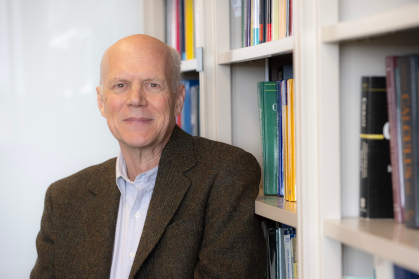
Professor
Department of Statistics
School of Arts and Sciences, Rutgers-New Brunswick
Codirector, Rutgers University Genetics Coordinating Center
For distinguished contributions to the field of statistical genetics, particularly in multi-cohort human genetics projects and in neurological and psychiatric disorders
Breast cancer. Pulmonary hypertension. Kidney disease. Because Steve Buyske conducts research into all those illnesses and many more, you might assume his field is in the health sciences.
Buyske, in fact, has been a professor of statistics at Rutgers for nearly three decades. But his expertise in a field focused on analyzing and interpreting data has led to a long and fruitful series of collaborations with scientists from many fields, particularly genetics, that seek to solve some of humankind’s most intractable health problems.
By his own reckoning, Buyske has collaborated on projects and coauthored studies with more than 1,000 scientists. Today, he finds himself in ever more demand.
“It started with somebody contacting me with an interesting problem,” Buyske said. “Then they tell their friends or collaborators, and you just get pulled along. For me, it’s a tremendous privilege to work with all these people and to learn about what they’re working on.”
In a world swimming in data, the role of statistics is increasingly vital. That is especially true in the biological sciences where technical advances such as genomic sequencing produce large, complex data sets.
“The kind of data that we could get in 1998 is profoundly different than what we have now,” Buyske said. “When we study genetics, it's not just the genes, it's all sorts of other measures: how the genes are expressed, the protein levels, the metabolites in your blood.” One of his current projects is a breast cancer study with the genetics department that has enrolled nearly 20,000 people who mailed in their saliva samples and medical information. He is also a senior researcher with the federally funded Population Architecture using Genomics and Epidemiology (PAGE) study, a project that has conducted studies on some 70,000 individuals with non-European ancestry, producing new knowledge on complex genetic traits among underrepresented populations.
The role of statistics in such large-scale studies is critical, particularly detecting important patterns in the data while ruling out others that are just randomly occurring phenomena.
“Humans are really good at seeing patterns, but sometimes there’s nothing actually going on,” Buyske said. “Statistics brings 150 years of methodology to keep you from fooling yourself.”
Receiving an AAAS fellowship is particularly meaningful for Buyske. He joined the association as a member at 18, served as an intern at the institution during his undergraduate years and has been reading its flagship journal Science for decades.
“After years of having it showing up in my mailbox, this feels particularly thrilling,” he said.
– John Chadwick
Yingying Chen
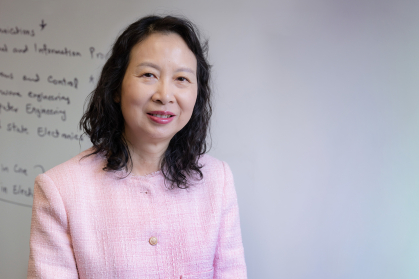
Distinguished Professor and Department Chair
Department of Electrical and Computer Engineering
Rutgers School of Engineering
For distinguished contributions to the field of computer science and information technology, particularly in mobile computing, wireless sensing and information security
Yingying Chen spends much of her time thinking about signals most people never notice.
She thinks about Wi-Fi waves moving quietly through homes and offices – and the wireless chatter between phones, sensors and smart devices.
Where others see background noise, Chen sees possibility.
Chen studies how everyday wireless technologies can be transformed into powerful tools for sensing and security. Her research examines how devices people already use, including smartphones, wearables such as smartwatches and fitness trackers, Wi-Fi routers, smart appliances, and connected vehicles, can do far more than simply transmit information. Connected vehicles are cars that send and receive data over wireless networks.
“We develop technologies that allow these devices to sense the world around them and detect human activities without requiring additional hardware,” Chen said.
In Chen’s lab, the wireless signals that already fill homes and public spaces can be used to extract unexpected insights. Her team has demonstrated that Wi-Fi signals can detect motion, recognize human activities and pinpoint a person’s location within a building. They can even be used to identify concealed hazards, such as weapons or volatile liquids secreted in luggage.
“The goal is to turn existing wireless infrastructure into intelligent sensing systems that improve and secure everyday life,” Chen said.
Those advances could lead to a host of innovations, including nonintrusive health monitoring for older adults living independently, as well as devices that detect dangerous objects covertly placed in public spaces, or enhance driver safety by identifying distracted driving behaviors.
Chen’s work has helped establish a new field at the intersection of wireless sensing and mobile security. Her team was among the first to show that everyday Wi-Fi signals can be used to detect human activity, authenticate users and monitor certain health indicators without physical contact. Unlike camera-based surveillance systems, this approach can preserve user privacy. The concept has since gained traction and is now being explored by researchers worldwide.
Equally important to Chen is mentoring the next generation of researchers. Many of her former doctoral students have gone on to become professors and leaders in technology companies.
“Seeing their success and knowing they will continue advancing technology and educating future generations is one of the most rewarding parts of my career,” Chen said.
Looking ahead, Chen hopes to continue exploring how wireless sensing, artificial intelligence and cybersecurity can work together to create smarter and safer environments.
– Kitta MacPherson
Wendie Cohick
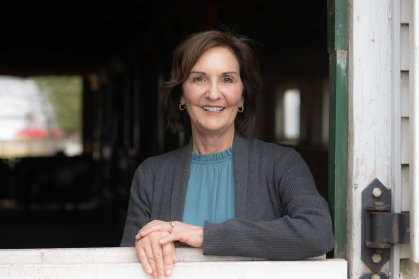
Vice Provost and Vice Chancellor for Research
Rutgers-New Brunswick
For distinguished contributions to the field of animal sciences, particularly hormonal regulation of mammary gland physiology, lactation and breast cancer
Wendie Cohick’s scientific life began in an agricultural research lab at Cornell University, where, as an undergraduate studying animal science, she learned to sit with questions that did not yet have answers.
Working with dairy cows, she sensed that beneath visible physiology lay an unseen network of signals.
“How does the body know to divert nutrients to the fetus or to the mammary gland to make milk?” she recalled wondering. “What are the long-term signals that control how the body allocates energy?”
The search led her into endocrinology and into the emerging field of insulin-like growth factors, or IGFs. The literature was sparse, the players unknown. The field resembled a half-finished puzzle, with only a few edge pieces turned face up and most of the picture obscured. In 1996, Cohick arrived at Rutgers University’s School of Environmental and Biological Sciences as an assistant professor. Studying the cells in the mammary gland that make milk, she began determining how the pieces connected. IGF-1 proved central to normal growth and survival, but a complex system of binding proteins was needed to keep its activity in check.
Her lab uncovered surprises. One binding protein long thought to dampen IGF-1 instead amplified its effects, strengthening the hormone’s drive toward cell growth. The finding reinforced a principle that guided her work.
“If you don’t understand the mechanism, you can’t know whether targeting it will ultimately help patients or make things worse,” she said.
Over time, the biological pathways she traced in cows revealed patterns that held in humans, including the intersection, or “crosstalk,” of hormone systems such as IGF and estrogen. Since alcohol consumption, a risk factor for breast cancer, increases estrogen, Cohick wondered if IGF-1 could also be involved. This shaped her studies of breast cancer and what she calls “the developmental window,” when early exposures like alcohol may influence lifelong risk.
As her leadership expanded at Rutgers, her instinct remained constant: Understand how the pieces lock together. Whether guiding a laboratory or a universitywide research agenda, she urges scientists to look beneath the surface, to understand not just what happens, but why. Today she envisions more precise, molecularly-guided cancer treatments.
“What happens inside cells may be invisible to us, but it holds the key to giving patients better futures,” she said.
- Kitta MacPherson
Cheryl F. Dreyfus
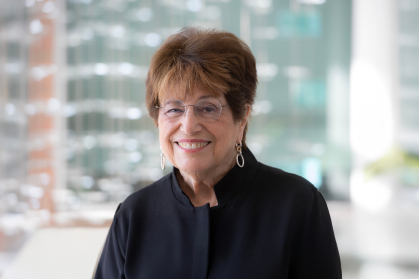
Distinguished Professor
Chair of the Department of Neuroscience and Cell Biology
Rutgers Robert Wood Johnson Medical School
For distinguished contribution to the field of neuroscience and glial biology (the study of support cells in the brain and nervous system) and for academic administration as well as service to the public
Cheryl F. Dreyfus is focused on developing strategies to reverse degeneration in the brain caused by multiple sclerosis, which affects nearly 1 million people in the United States.
People with the chronic neurological disease lose myelin, the fatty sheath that surrounds nerve cells and enables them to rapidly transmit information to target cells. Dreyfus and her colleagues have been working on ways to reverse the process, called demyelination, and stimulate oligodendrocytes, the cells responsible for producing myelin.
“Current therapies in general manage the progression of the disease, but do not directly reverse the loss of myelin associated with this disease,” said Dreyfus, a Distinguished Professor at Rutgers Robert Wood Johnson Medical School. “We were one of the first groups to find that we can decrease demyelination in a mouse model of multiple sclerosis by increasing a growth factor produced in the brain called BDNF, or brain-derived neurotrophic factor.” In other studies, Dreyfus and her colleagues found they could elevate BDNF by stimulating a specific receptor in multiple sclerosis lesions. Most recently, they found that activating this receptor enhances the differentiation of human fetal cells, she said.
“Our findings are suggesting new strategies to enhance remyelination, which could be of significant benefit for diseases such as multiple sclerosis for which there is currently no cure,” she added.”
Dreyfus said she is proud of the progress she and her colleagues have made in their search for drugs that may reverse demyelination. “I realize we have a long way to go in this pursuit,” said Dreyfus, who plans to continue her research and identify new compounds that may reverse demyelination and regulate the function of oligodendrocytes. “It is being discovered that demyelination is evident not only in multiple sclerosis, but also in Alzheimer’s disease, aging and a number of developmental disorders.”
Dreyfus also is proud of her students and her role as chair of the Department of Neuroscience and Cell Biology at Robert Wood Johnson Medical School, where she looks forward to continuing to support and mentor both developing and mature scientists. “It gives me great pleasure to see them succeed,” she said.
– Mike Lucas
Maria Laura Gennaro
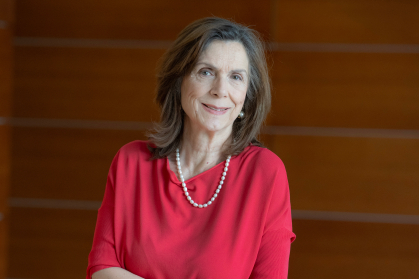
Professor, Department of Medicine, Rutgers New Jersey Medical School
Professor, Department of Epidemiology and Biostatistics, Rutgers School of Public Health
For outstanding contributions in understanding host/pathogen interactions, including, among others, Mycobacterium tuberculosis and SARS-CoV-2
Maria Laura Gennaro built a career by successfully challenging scientific assumptions that others accepted as settled.
Such efforts have improved our understanding of staphylococcal plasmid biology and host-pathogen interactions in tuberculosis and SARS-CoV-2.
Born in Palermo, Sicily, Gennaro arrived at her calling after exploring several directions. She considered philosophy and psychoanalysis and actually became a doctor before finding out that bedside care wasn’t her passion. Gennaro finally found it when she discovered at Italy’s Istituto Superiore di Sanità that she could use molecular biology in epidemiological studies. “It was love at first sight,” the microbiologist said.
After sequencing the cholera toxin genes at the London School of Hygiene and Tropical Medicine, she left a tenured position in Italy for the United States in 1984 to study staphylococcal plasmid biology in Richard Novick’s laboratory at PHRI.
“I found in this country an environment where I could express my intellectual interest,” she said. “The love for science trumped it all.”
The resurgence of tuberculosis (TB) in the mid-1980s, fueled by HIV and weakened public health infrastructure, led Gennaro to begin studying the bacterial infection. Her lab identified a protein produced by the TB bacterium but absent from the BCG vaccine given to children globally. That protein became central to a new generation of blood tests that replaced the century-old tuberculin skin test, allowing doctors for the first time to distinguish a true TB infection from prior vaccination.
Defying convention has been a pattern. Gennaro studied how the body’s antibodies respond to TB when most focused on T cells. When her lab found that foam cells, the fat-gorged immune cells in TB lung lesions, accumulate an unexpected (and potentially druggable) type of lipid, it took three rounds of review to convince the journal she was correct.
Gennaro took up SARS-CoV-2 research on antibody responses and innate immune dysregulation. She also chaired the Microbiology Task Force of a National Institutes of Health RECOVER initiative on long COVID and co-authored a review arguing that co-infections acquired alongside SARS-CoV-2 may help explain the condition’s persistent symptoms.
“What I’m most proud of is not being afraid of challenging dogmas,” said Gennaro.
–Andrew Smith
Reynold Panettieri Jr.
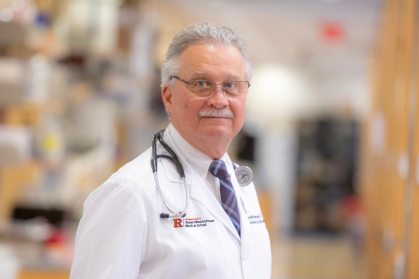
Vice Chancellor for Translational Medicine and Science
Director, Rutgers Institute for Translational Medicine and Science
Professor of Medicine, Robert Wood Johnson Medical School
For distinguished contributions to the basic science of pulmonary disease and inflammation and for outstanding leadership of the Rutgers Clinical and Translational Science Awards Program
Over the past 35 years, Reynold Panettieri Jr. has changed our understanding of the role airway smooth muscle (ASM) plays in asthma and chronic obstructive pulmonary disease.
His pioneering research, which has been continuously funded by the National Institutes of Health (NIH), discovered that inflammation causes ASM to become hyperresponsive, making it resistant to conventional therapies such as bronchodilators.
ASM is a thin layer of tissue that automatically tightens or relaxes to control how much air flows into your lungs. By examining the triggers for ASM fluctuation, Panettieri has identified therapies that effectively relax airways even in the presence of severe inflammation. In addition, his discovery that the ABCC1 transporter, a protein on the membrane of ASM cells, is responsible for leaking cAMP, a molecule necessary for muscle relaxation, has paved the way for a simple blood test that could diagnose asthma and determine its severity and the efficacy of medications that relax smooth muscles in the airways.
Panettieri’s contributions transcend his work in the lab. In 2019, the NIH awarded an initial $29 million Clinical Translational Science Award (CTSA) to the New Jersey Alliance For Clinical and Translational Science (NJ ACTS) – a consortium directed by Panettieri and based at Rutgers in partnership with Princeton University, the New Jersey Institute of Technology and RWJBarnabas Health – to build robust data-sharing networks and community engagement initiatives that translate discoveries made in the laboratory to diagnostics and therapeutics. In 2024, NJ ACTS secured a second, seven-year CTSA grant of $47.5 million.
As director, Panettieri focuses on streamlining clinical trial processes, fostering interdisciplinary collaboration among about 250 investigators and mentoring the next generation of physician-scientists.
“We build platforms to make investigators more successful in translational research by allowing them to take their discoveries in the lab to commercialization of academic assets to changing physician behavior and affecting policy,” Panettieri said.
“My legacy is not what I publish or the awards and accolades I receive,” he said. “I’ve had the wonderful opportunity to train about 30 physician-scientists, 60 postdocs and hundreds of graduate students and undergraduates. That’s the legacy that will carry on.”
– Patti Zielinski
Junichi Sadoshima
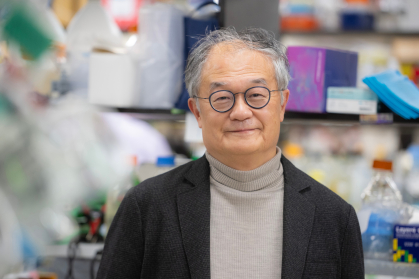
Professor and Chair, Department of Cell Biology and Molecular Medicine
Rutgers New Jersey Medical School
Honored for distinguished contributions to cardiovascular research and for leadership in his role as department chair
Junichi Sadoshima, a cardiovascular researcher, is working to answer a fundamental question in medicine: Why does the human heart fail? Heart failure affects millions of Americans and remains a major contributor to deaths from cardiovascular disease.
“Despite remarkable advances in modern medicine, the number of patients dying from heart failure continues to rise,” said Sadoshima, professor and chair of the Department of Cell Biology and Molecular Medicine at Rutgers New Jersey Medical School. “This highlights a critical gap in our ability to effectively treat the disease.”
Sadoshima studies the molecular mechanisms that drive heart failure, examining how heart cells respond to stress and injury. By identifying the biological pathways involved in the progression of the disease, his research helps lay the scientific foundation for new therapies that could prevent heart failure or slow its progression. More recently, Sadoshima has focused on the role aging plays in heart disease. Aging is the strongest risk factor for cardiovascular disease, yet scientists still know relatively little about the molecular processes that make the aging heart more vulnerable to damage.
“By uncovering these mechanisms, we hope to identify new strategies to protect the heart as people grow older,” he said.
Sadoshima emphasized the importance of raising awareness about heart failure and supporting the research needed to address it.
“Compared with diseases like cancer, public awareness of heart failure remains relatively low,” he said. “Greater awareness and stronger support for basic research are urgently needed to accelerate discoveries that could lead to better prevention and treatment of cardiovascular disease.”
In addition to his research contributions, Sadoshima mentors students and early-career scientists as chair of the Department of Cell Biology and Molecular Medicine.
“It is a pleasure to see our trainees benefit from a high-quality learning experience, including one-on-one meetings with highly productive investigators and opportunities to present their work at international meetings,” he said.
–Megan Schumann
Andrew P. Thomas
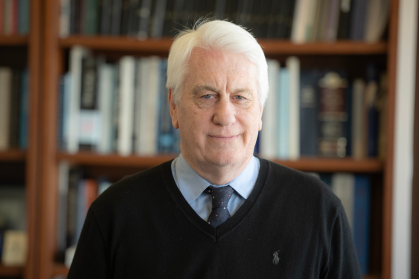
Distinguished Professor and Chair, Department of Pharmacology, Physiology and Neuroscience, Rutgers New Jersey Medical School
Senior Associate Dean, School of Graduate Studies
For distinguished contributions to the field regarding the role of calcium in cell signaling and for outstanding administration
When Andrew Thomas was 12, his father built a reflecting telescope in their London home, and they spent evenings examining a cosmos invisible to the naked eye.
“If there’s a distinct event that led me to science, that was it,” Thomas said. “It sparked my curiosity and my desire to see what was not visible to the naked eye.”
That desire led the endowed professor to a career documenting invisible processes deep inside living cells, including complex patterns of calcium ions that signal cells to begin or end certain processes.
Most people associate calcium with bones, but calcium ions signaling inside your cells govern everything from the heartbeat to metabolism. Thomas’s laboratory was among the first to show these signals rising and falling in waves whose frequency carries the message. In a 1995 paper in Cell, he and his colleagues showed that mitochondria, the structures that generate a cell’s energy, are tuned to decode these oscillations, matching energy output to demand in real time.
The link to stargazing proved more than an indirect inspiration for his scientific work: As a young faculty member, Thomas built a calcium imaging system using a liquid nitrogen-cooled charge-coupled device camera designed for astronomical observation.
“I was probably more aware of how technology developed for astronomy could prove helpful there than my biologically attuned colleagues,” said Thomas, a senior associate dean of the School of Graduate Studies.
That same signaling pathway led Thomas to malaria. Working with Celia Garcia, a professor at the University of São Paulo, his laboratory discovered that plasmodium falciparum, the deadliest malaria parasite, hijacks the host’s melatonin to synchronize its mass release from red blood cells with the daylight cycle, overwhelming the immune system and producing the disease’s recurring fevers.
Thomas is also investigating how fructose from high-fructose corn syrup affects brain neurons that sense blood glucose, why it triggers hunger rather than satiety and whether it fattens the liver directly or by causing people to overeat.
– Andrew Smith