
Rutgers School of Nursing and Caregility Partner to Prepare Future Nurses to Provide Virtual Care
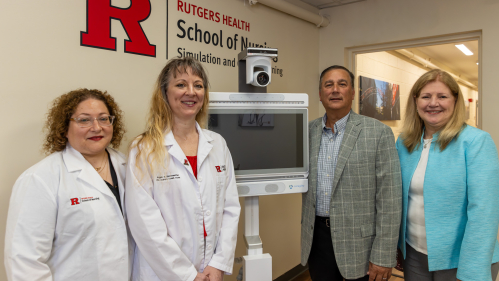
The new collaboration, the first in New Jersey, aims to fill a training gap
From hospital command centers to smart patient rooms and home-based care programs, virtual nursing increasingly is becoming a common part of the healthcare landscape.
While 88% of U.S. hospitals are piloting or have fully implemented inpatient virtual care, a critical training gap persists in nursing education: More than half of the nation’s nursing schools don’t offer a telehealth curriculum for undergraduates.
To address this need, Rutgers School of Nursing and Caregility, a Wall Township, N.J., provider of artificial intelligence-enabled connected care services, have announced a collaboration to introduce virtual care training into undergraduate nursing education.
“Educating students for contemporary nursing practice means helping them develop fluency not only in bedside care, but also in the digital tools, communication models and collaborative workflows that increasingly support patient care,” said Angela Starkweather, dean and professor at the Rutgers School of Nursing. “This partnership adds to the leading-edge simulation technologies we employ to support student learning.”
Educating students for contemporary nursing practice means helping them develop fluency not only in bedside care, but also in the digital tools, communication models and collaborative workflows that increasingly support patient care.
Angela Starkweather
Dean and Professor, Rutgers School of Nursing
“Virtual care is no longer a future concept in healthcare,” said Susan Kristiniak, Caregility’s chief nursing officer. “It is part of how care is delivered every day. By working with the Rutgers School of Nursing to bring virtual nursing education into the learning environment, we have an opportunity to help prepare future nurses for the realities of connected care and support the evolution of nursing practice.”
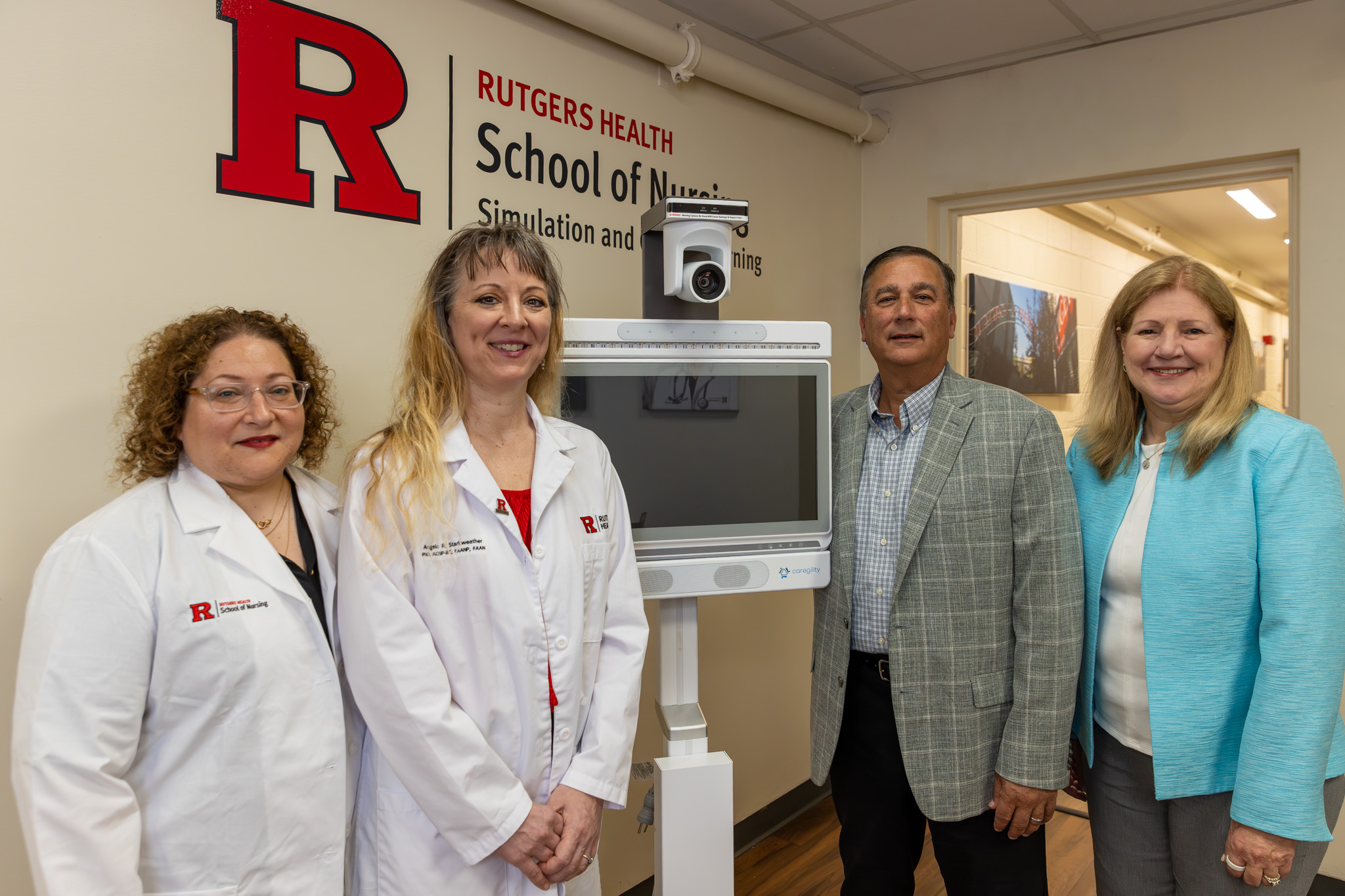
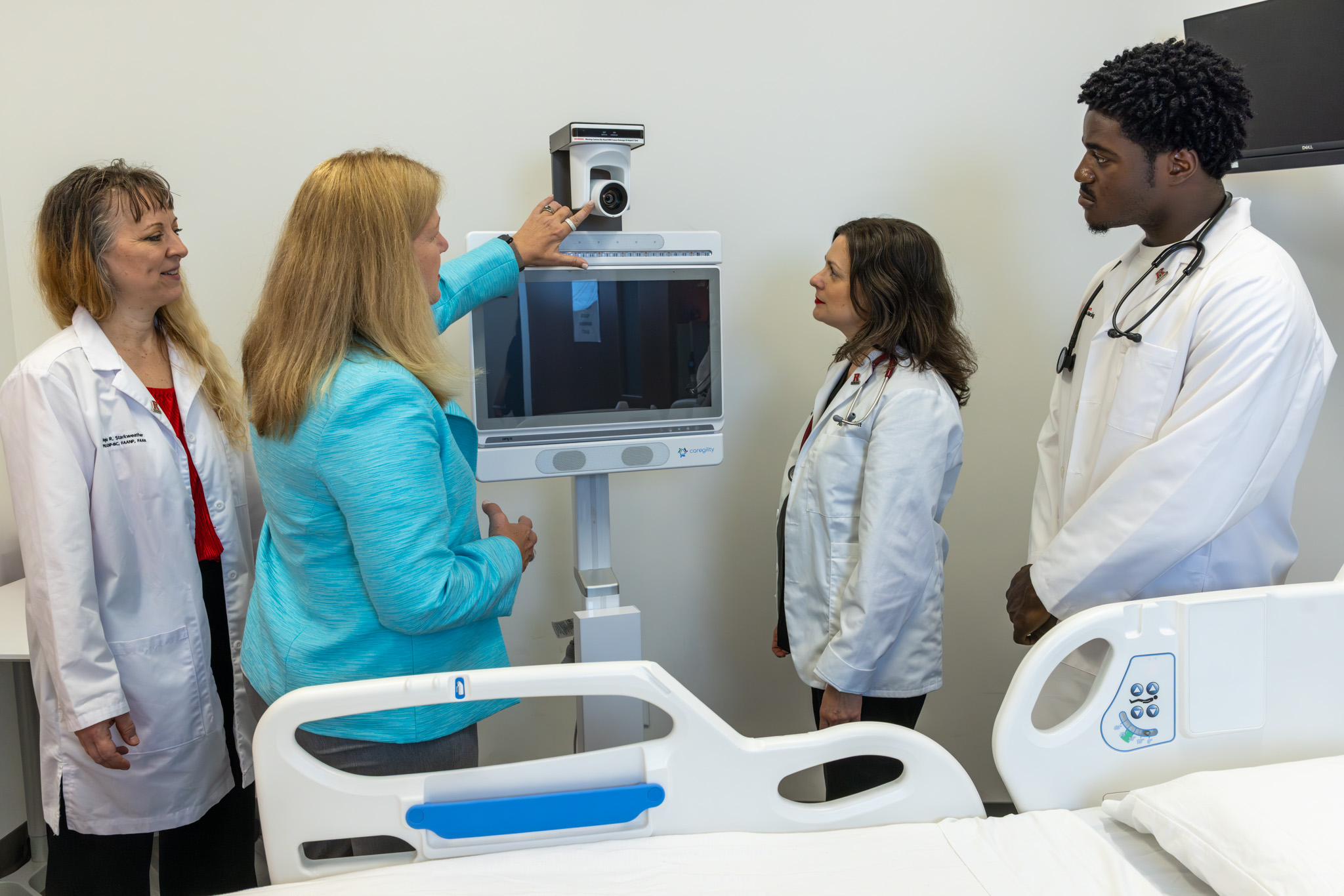
Through the collaboration, Caregility is providing access to its Connected Care Platform, smart room endpoints and clinical care applications to support virtual care simulation and training experiences within Rutgers’ nursing education program. The partnership represents Caregility’s first academic collaboration in New Jersey.
Rutgers will receive seven wall-mounted technology systems equipped with high-zoom cameras, speakers, microphones, infrared lights and video monitors to be installed at nursing labs in Newark and New Brunswick. The agreement includes software, 24/7 support and technical and clinical application training.
The School of Nursing is developing coursework designed to help students build the knowledge, confidence, and practical skills required to work effectively in digitally enabled care environments. It will cover key areas of modern practice, including virtual communication, patient engagement, data privacy and ethics.
Additionally, students will receive training in technology operations, AI-assisted clinical tools, healthcare leadership, mentoring and quality improvement.
The School of Nursing is also developing a certificate program in virtual nursing for practicing nurses to be offered through its Center for Professional Development.
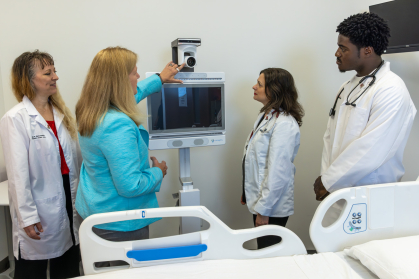
Virtual nursing programs are increasingly being used to support patient admissions and discharges, patient education, remote observation, care coordination, tele-intensive care, hospital-at-home services and other clinical functions across acute care, ambulatory and home-based settings.
“Technology can help improve access, strengthen care coordination, and support better patient outcomes,” said Mike Brandofino, president and chief executive officer of Caregility. “When used thoughtfully, virtual care can help healthcare organizations reach more patients, support care teams, and improve the overall quality of care.”
“Caregility’s global leadership in virtual care makes them an ideal partner for this initiative,” Starkweather said. “As one of the nation's leading schools of nursing, we are committed to building innovative collaborations that advance nursing education, clinical practice and health outcomes.”